
In recent years, at-home beauty and aesthetic devices have flooded the market. From LED masks and microcurrent tools to handheld microneedling rollers and muscle stimulation gadgets, consumers are promised professional-level results from the comfort of their homes. While these devices offer convenience and accessibility, they are often compared — incorrectly — to professional medical spa treatments.
Understanding the fundamental differences between at-home devices and professionally administered treatments is essential for anyone seeking safe, effective, and lasting aesthetic results.
Why At-Home Devices Are Designed with Limitations
At-home aesthetic devices are intentionally restricted in power, depth, and intensity. These limitations are not flaws but safety measures. Manufacturers must assume that users have no medical training, no anatomical knowledge, and no ability to assess contraindications.
As a result, at-home devices typically feature:
- Low energy output
- Shallow penetration
- Pre-set, non-customizable programs
- Broad, “one-size-fits-all” treatment parameters
While these characteristics reduce the risk of injury, they also significantly limit effectiveness. Processes such as collagen remodeling, tissue tightening, or deep muscle activation require levels of energy and precision that consumer devices are simply not allowed to deliver.
The Illusion of “Professional Results at Home”
Marketing language often suggests that at-home devices provide results similar to in-clinic treatments. In reality, these claims are usually based on mild, temporary improvements rather than structural changes.
For example:
- LED masks may improve surface inflammation but cannot remodel collagen
- Home microneedling rollers stimulate superficial circulation but do not reach therapeutic depths
- Consumer muscle stimulators activate surface muscles but fail to engage deeper muscle fibers
These tools can be useful for maintenance or relaxation, but they do not replace medical-grade interventions.
What Makes Medical Spa Treatments Fundamentally Different
Professional medical spa treatments are performed using advanced technologies that operate at significantly higher intensities than consumer devices. More importantly, these technologies are used by trained providers who understand anatomy, tissue behavior, and treatment sequencing.
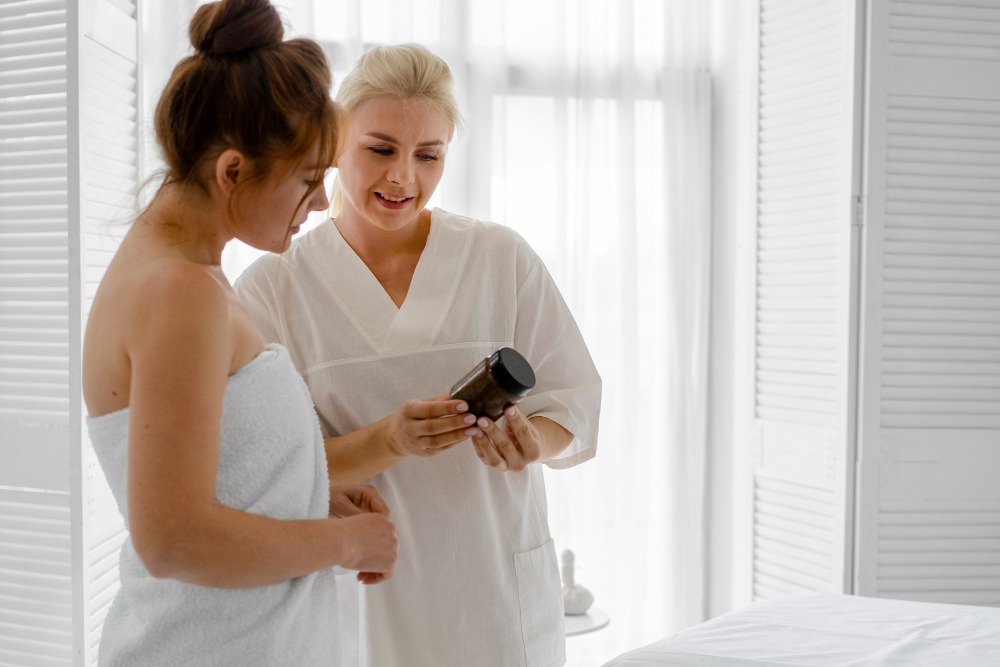
Patients exploring advanced medical spa treatments supervised by trained specialists benefit from customized protocols, precise calibration, and ongoing assessment — factors that dramatically influence results.
Unlike at-home devices, professional treatments can:
- Reach deeper layers of skin or muscle
- Adjust energy levels in real time
- Target specific anatomical structures
- Be combined strategically with other treatments
This level of control is essential for achieving visible, lasting improvements.
The Role of Customization in Professional Care
Customization is one of the most overlooked advantages of professional treatments. In a medical spa setting, treatments are tailored based on:
- Skin type and thickness
- Muscle condition and symmetry
- Age-related changes
- Lifestyle factors
- Individual goals
At-home devices, by contrast, rely on generic settings designed to be safe for everyone — which also means effective for very few.
Professional providers adjust treatment plans over time, responding to how the body adapts and heals. This dynamic approach is impossible with static consumer devices.
Safety, Oversight, and Risk Management
Safety is another critical difference. Medical spa treatments are performed within structured clinical protocols. Providers screen for contraindications, review medical history, and monitor tissue response before, during, and after treatment.
This oversight significantly reduces risks such as:
- Burns or thermal injury
- Hyperpigmentation
- Muscle strain
- Inflammatory reactions
At-home users often lack the knowledge to recognize early warning signs, increasing the risk of misuse or ineffective treatment.
Long-Term Value vs Short-Term Convenience
At-home devices are often marketed as cost-effective alternatives to professional care. While the initial purchase price may be lower, the long-term value is frequently overstated.
Professional treatments often require fewer sessions to achieve visible results and are designed to create structural changes that last longer. At-home devices, on the other hand, require frequent, ongoing use with modest improvements.
In many cases, consumers spend significant amounts on multiple home devices without achieving their desired outcome — eventually turning to professional care anyway.
When At-Home Devices Can Be Helpful
This does not mean at-home devices have no place in an aesthetic routine. They can be useful for:
- Maintenance between professional treatments
- Supporting circulation or relaxation
- Enhancing skincare absorption
- Reinforcing healthy habits
However, they should be viewed as supportive tools rather than primary treatment solutions.
Making an Informed Choice
Choosing between at-home devices and professional treatments ultimately depends on goals, expectations, and willingness to invest in results. Those seeking subtle maintenance may benefit from consumer tools, while individuals looking for meaningful, long-term improvement typically require professional intervention.
For anyone unsure which approach is appropriate, the most reliable next step is to schedule a professional aesthetic consultation and receive personalized guidance based on individual needs, anatomy, and goals.
FAQ
Are at-home devices completely ineffective?
No, but they are limited in power and best suited for maintenance rather than transformation.
Are medical spa treatments safe?
Yes, when performed by trained professionals under proper protocols.
Are professional treatments worth the higher cost?
They often deliver better long-term value due to more noticeable and lasting results.
Can at-home devices replace professional treatments?
No, they are complementary tools, not replacements.
How do I know which treatment is right for me?
A professional consultation is the best way to determine the most effective approach.